
Our Clients
We've worked with over 600 of the world's largest businesses.
Yours could be next. Hire Us.
What We Do
As pioneers in emotional research, we use three proprietary methods to uncover the emotional connection between your brand and your consumers.
1
Right Brain Research
We are the pioneers of consumer psychology and emotional research. Our powerful and unique methodology uncovers emotional motivation at the deepest level.
2
Right Brain Typology
We segment consumers based on the emotional motivations driving particular behaviors – a distinctly different and deeper approach than market segmentation.
3
Right Brain
Strategy Workshops
Strategy Workshops
We direct our strategy workshops using a whole brain approach fostering cross- functional collaboration and unleashing your organization’s untapped creativity.

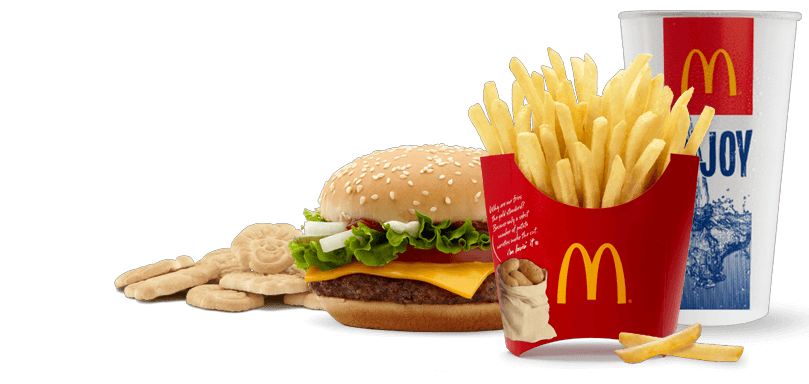
McDonald's
"I'll have a #4 with a diet coke please."
Learn how the combo meal was born changing how 100 million Americans order food every day.
Learn how the combo meal was born changing how 100 million Americans order food every day.

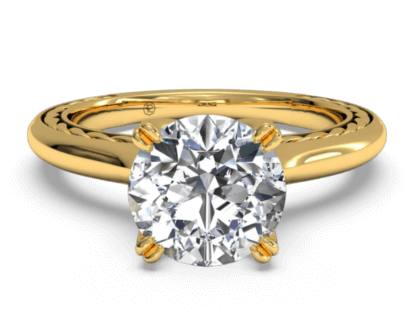

Jared's Galleria of
Fine Jewelry
Fine Jewelry
Redefining the shopping experience
Jared’s gives consumers the space and privacy they need when making significant purchase decisions.
Jared’s gives consumers the space and privacy they need when making significant purchase decisions.

Corvette
Corvette - the come back kid.
Learn how GM resurrected the Corvette by keeping the brand’s promise.
Learn how GM resurrected the Corvette by keeping the brand’s promise.

Work with 600+
Corporate Clients & Organizations
We've worked with over 600 of the world's largest corporations and organizations. From Fortune 500 companies to Mom & Pop shops, we've seen it all.
More than 225
Product & Service Categories
We help brands top their competitors in delivering the emotional benefits that motivate consumers to be in the category. With Right Brain People brands have seen tremendous growth.
Clients include 22/40
Advertisers on the Advertisers A-List
The secret to positioning is understanding the mind of the consumer and the emotional benefits the consumer is seeking. Right Brain People helps industry leaders succeed.
From The Blog
We are the thought leaders in our field and our blog is full of useful information for individuals and corporations. Visit the blog
Whitepaper : What Is A Brand?
Charles T. Kenny
Founder
With a bachelor’s degree from the University of Notre Dame and a Ph.D. in Psychology from Clark University, Dr. Kenny saw the application of his academic expertise to the commercial world early on. He founded the strategic market research firm, The Right Brain People, in 1972.
Forty years later, his client list is a “who’s who” of major companies, including 22 of the top 40 advertisers on the Advertising Age list. Using two proprietary methods – Right Brain Research and Brand Strategy Development – Dr. Kenny has worked with more than 600 corporate clients and organizations in 225 product and service categories. Today he is recognized as one of the top consumer psychologists in the world.
Forty years later, his client list is a “who’s who” of major companies, including 22 of the top 40 advertisers on the Advertising Age list. Using two proprietary methods – Right Brain Research and Brand Strategy Development – Dr. Kenny has worked with more than 600 corporate clients and organizations in 225 product and service categories. Today he is recognized as one of the top consumer psychologists in the world.
Contact Us
Give us a call today or contact us using the form below to learn aboutwhat Right Brain can do for your company. We look forward to hearing from you.